Cléo from 5 to 7: Time as Transformation
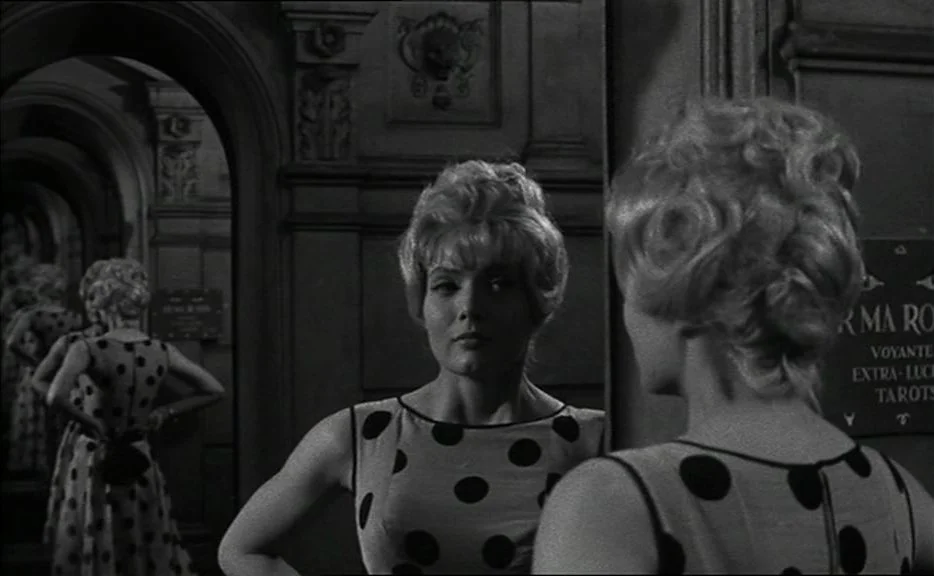
“Ugliness is a kind of death. As long as I’m beautiful, I’m more alive than others.”
Time is ticking. The cards have been laid out: her past, present and future are within a hair's breadth. Tension permeates the scene. The camera cuts to a close-up of her face, her watery eyes glistening. What is she looking for? What is she scared of? What does she believe about herself? The game has already been played; our encounter, however, has yet to commence.
How much can one do in an afternoon? Cléo from 5 to 7 takes us through barely two hours of Cléo’s life as she wanders the streets of Paris. We see her dwell in her sorrow, sing a dramatic song about death, buy a black hat, visit friends, watch a short, silent film, and form a gentle bond with a passing soldier through their shared fears of dying. Above all, time is spent wisely.
To experience the simple pleasures of life, to wallow in one’s misery, and to weather the storm. Seen through modern eyes, this classic portrayal of a day in the life is surprisingly transformative. It does not compare to our ten-minute YouTube videos, compressed to show the highlights of twenty-four hours. Far from offering mere entertainment or escape, it exposes the emptiness of our everyday interactions.
While she watches herself in the mirror, while she worries about her beauty fading, we find ourselves lurking in the shadows. We feel our time ticking too, our lives slipping past, the possibilities that come and go — choices we can take or leave, dismiss or embrace. It is not infinity we see in the mirror; it is the fragility of life, and how easily it escapes us.
‘Yes, it’s serious, but you mustn’t exaggerate. Draw another card. You need to think, you need to see it to understand.’
